July 4, 2026
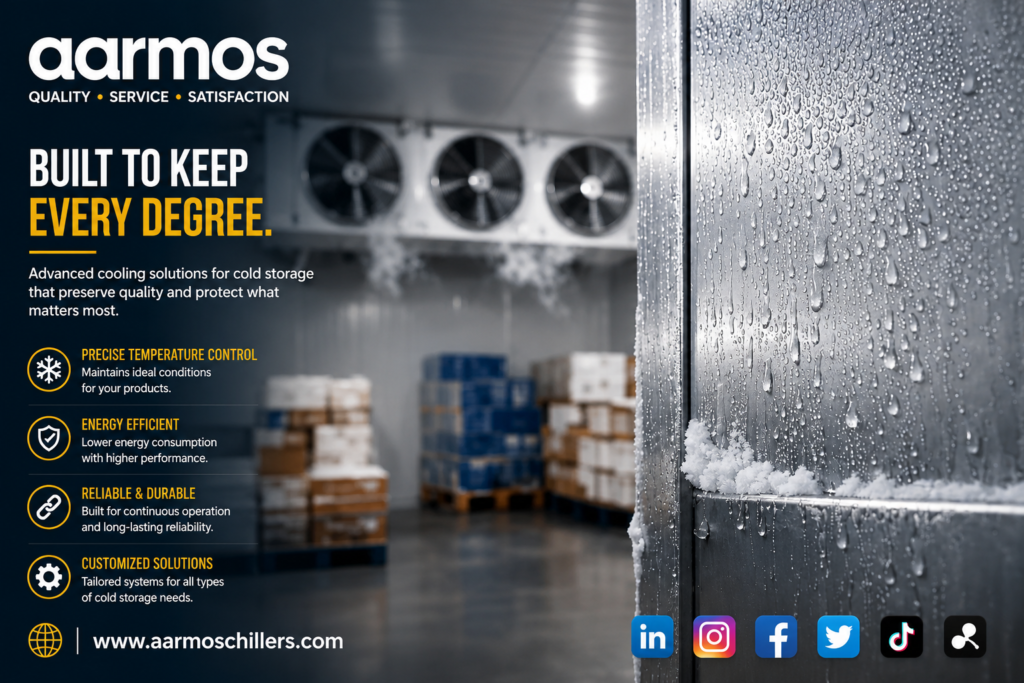
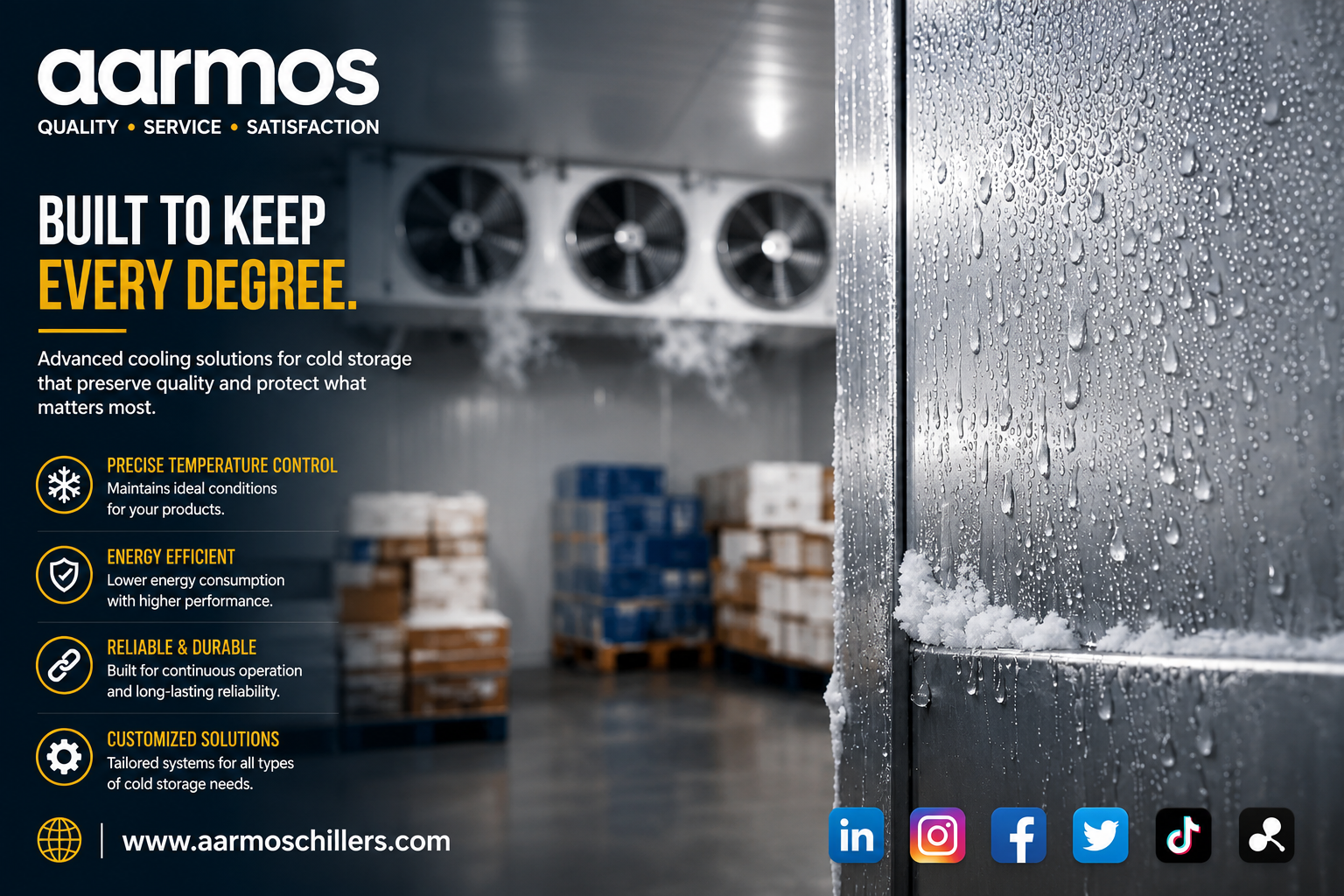
A cold room that starts dripping from the ceiling or sweating around the door is not having a minor moisture issue. It is usually showing you that warm, humid air is getting where it should not, or that the room envelope is no longer controlling heat transfer properly. If you are asking why does cold room sweat, the answer is almost always tied to condensation physics, air leakage, insulation failure, or operating conditions that the room was not designed to handle.
For cold storage operators, food processors, facility managers, and MEP teams, this matters because sweating is rarely just cosmetic. Water on floors creates slip hazards, moisture damages insulated panels, ice forms around doors and evaporators, and refrigeration systems work harder than they should. Left alone, a sweating cold room can shorten equipment life, raise power consumption, and put stored product quality at risk.
Why does cold room sweat in the first place?
Cold room sweating happens when a surface temperature drops below the dew point of the surrounding air. In plain terms, warm air always carries some moisture. When that moist air touches a cold ceiling panel, wall, pipe, door frame, or floor edge, the water vapor condenses into liquid droplets.
That is the basic science, but the engineering question is why that condensation is happening on your specific cold room. In most installations, one or more conditions are present at the same time. Humid outside air may be entering through door gaps. Insulation may be damaged or too thin. Vapour barriers may be incomplete. Defrost cycles may be poorly adjusted. Or the room may be operating at a temperature range that does not match the actual product load and traffic pattern.
In the UAE and across the GCC, ambient humidity and temperature make this issue more common than many operators expect. A cold room that performs acceptably in mild weather may begin sweating heavily during hot, humid months, especially if door opening frequency increases.
The most common causes of a sweating cold room
1. Air leakage around doors and panel joints
The most frequent cause is uncontrolled infiltration. Every time warm outside air enters the cold room, moisture enters with it. If the door seal is worn, the door closer is misaligned, the frame heater is faulty, or the curtain protection is missing, condensation will appear around entry points first.
Panel joints can also become leakage paths. Even a well-built cold room will struggle if panel locks loosen, silicone seals degrade, or penetrations for cables and piping are not properly sealed.
2. Insulation problems
If insulated panels, doors, or piping lose thermal resistance, surface temperatures on the warm side can fall below dew point. That creates sweating on exterior surfaces. This can happen because of panel damage, water ingress into insulation, poor installation, or incorrect insulation thickness for the room temperature and local ambient conditions.
This is one of those areas where engineering selection matters. A room designed for chilled storage is different from one designed for freezer duty, and both need insulation based on actual site conditions, not assumptions.
3. High humidity from frequent door opening
Some cold rooms are technically sound but still sweat because operational use changed after installation. A room used occasionally during design may now be serving as a high-traffic dispatch area. Forklift movement, product transfer, and extended door-open time can drive moisture loads far beyond original calculations.
This is especially common in food processing, packaging, and distribution environments where production schedules become more demanding over time.
4. Faulty door heaters or anti-condensation systems
Cold room doors often include frame heaters, perimeter heaters, or anti-sweat elements to prevent moisture buildup at critical surfaces. When these components fail, the first visible sign is sweating or ice around the door frame, threshold, or gasket area.
The problem may look like a door issue, but the root cause is electrical or control-related.
5. Incorrect evaporator or defrost settings
An evaporator running too cold, poor fan distribution, or an ineffective defrost cycle can create localized freezing and thawing. Moisture may appear on ceilings, near the unit cooler, or around air discharge patterns. If defrost is too short, too infrequent, or not draining properly, water can collect and reappear as sweating in nearby areas.
This is why cold room troubleshooting should never focus only on visible water. Refrigeration settings and airflow behavior matter just as much.
6. Floor and slab edge heat gain
In some cold room projects, sweating appears at the floor perimeter or near wall-floor junctions. That often points to thermal bridging, inadequate floor insulation, or missing vapor protection below the slab. The symptom is surface moisture, but the cause is heat migration through construction layers.
These cases are more difficult to fix after installation, which is why proper design and installation quality are critical from the start.
Where sweating usually appears – and what it suggests
The location of condensation gives useful clues. Water collecting mainly around doors usually indicates infiltration, faulty door heaters, or humidity caused by frequent traffic. Exterior wall panel sweating is more commonly linked to inadequate insulation or vapor barrier defects. Concentrated condensation around ceiling panels or suspension points often suggests warm roof-space conditions or thermal bridging.
When moisture appears around piping, valves, or drain lines, check insulation continuity and vapor sealing. Even a small gap in pipe insulation can produce heavy condensation in humid climates.
A practical site inspection should look at pattern, timing, and weather conditions. Does sweating worsen in the afternoon? Only during loading periods? Only after washdown? Those details usually narrow the cause quickly.
Why this problem should not be ignored
A sweating cold room wastes energy because the refrigeration system must remove both sensible heat and latent moisture from infiltrated air. It also creates avoidable maintenance issues. Wet insulation loses effectiveness. Corrosion accelerates. Ice formation interferes with doors and drains. Slip risks increase. In food and pharmaceutical storage, excess moisture can also affect packaging integrity and hygiene control.
From an engineering standpoint, condensation is often an early warning sign. The visible droplets are not the whole problem. They are evidence that the room is no longer operating as a controlled thermal envelope.
How to fix a cold room that is sweating
The right fix depends on the root cause. Replacing panels when the real issue is a failed gasket will not solve anything. The best approach starts with inspection and measurement.
First, check door condition, gasket compression, closing alignment, and any strip curtain or air barrier arrangement. Then inspect panel joints, service penetrations, and pipe insulation. Review operating temperature, room loading pattern, and door opening frequency. After that, verify evaporator settings, defrost schedule, drain performance, and anti-condensation heaters.
In many projects, the solution is a combination of corrections rather than one major repair. A room may need new door gaskets, resealed panel joints, recalibrated defrost controls, and improved traffic management. In more serious cases, damaged insulation or design mismatch may require component replacement or system redesign.
At AARMOS, this is where engineering matters more than guesswork. A proper assessment looks at heat gain, humidity load, refrigeration capacity, airflow, insulation integrity, and site use patterns together. That is the difference between masking symptoms and solving the problem.
A practical field example
In one food handling application in the Gulf region, a chilled room was developing heavy sweating around the door frame and front ceiling panels during afternoon loading hours. The operator initially suspected panel failure. Site inspection showed a different picture: frequent door opening, worn gaskets, and a non-functioning anti-sweat heater were allowing humid air to enter continuously. The evaporator defrost schedule was also shorter than required for the actual use pattern.
After replacing the door sealing components, restoring the heater circuit, and adjusting defrost timing, visible condensation dropped significantly. The customer also saw more stable room temperature and fewer interruptions from ice formation near the entry area. The outcome was not dramatic because of one expensive upgrade. It came from identifying the actual moisture path and correcting it properly.
FAQ
Why does my cold room sweat more in summer?
Because warmer air usually carries more moisture. When hot, humid air contacts cold surfaces, condensation becomes much more aggressive.
Is cold room sweating always caused by bad insulation?
No. Insulation can be part of the problem, but air leakage, door traffic, heater failure, and defrost issues are also common causes.
Can condensation damage cold room panels?
Yes. Persistent moisture can enter panel joints, reduce insulation performance, and contribute to corrosion or long-term structural deterioration.
Why is my cold room sweating around the door only?
That usually points to infiltration through worn gaskets, poor door alignment, frequent opening, or failed anti-condensation heaters.
Should I increase the room temperature to stop sweating?
Not as a first step. Raising temperature may reduce condensation in some cases, but it can also compromise product storage requirements. The cause should be diagnosed before changing operating conditions.
If your cold room is sweating, the goal is not just to dry the surfaces. The goal is to restore control over heat, humidity, and airflow so the room performs as it was intended to. If you need a technical assessment for a cold room, process cooling system, or other temperature-controlled application, contact AARMOS for an engineering-led review and practical support.
Recent Comments
No comments to show.